




The allure of casino gaming
The appeal of casino gaming is deeply rooted in human psychology, drawing individuals in with promises of excitement, thrill, and the potential for wealth. For many, casinos represent a unique blend of entertainment and the chance to escape from daily routines. The vibrant atmosphere, coupled with the sensory stimulation of lights, sounds, and the buzz of fellow players, creates an environment that can be captivating and addictive. Many gamers today also explore non uk betting sites, enhancing their experience and opportunities.
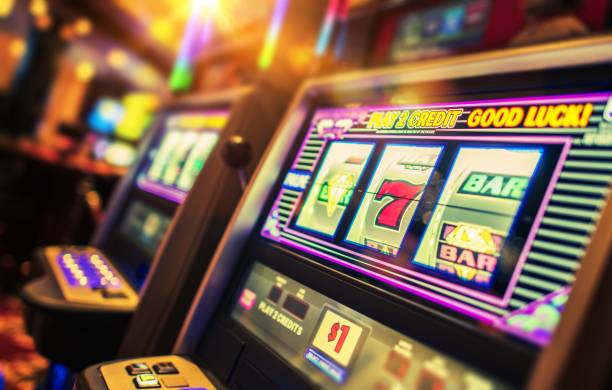
This allure is often amplified by psychological mechanisms such as intermittent reinforcement. Players experience wins sporadically and unpredictably, which can heighten anticipation and increase the likelihood of continued play. This phenomenon explains why many gamblers find it difficult to walk away, as the next spin or hand could lead to a rewarding outcome.
The role of risk and reward
The delicate balance between risk and reward plays a significant role in shaping player behavior in casinos. Many individuals are drawn to the thrill of risking money for the chance to win big. The excitement that accompanies the potential for a large payout can trigger a rush of dopamine, a neurotransmitter associated with pleasure and reward, creating a cycle that encourages repeated gambling behavior.
Moreover, the perception of control can greatly influence a player’s willingness to engage in gambling activities. When players believe they can influence the outcome through skill or strategy, they may be more inclined to participate, even if the odds are stacked against them. This illusion of control can lead to increased time spent in the casino, as players chase after the next big win.
The impact of social interactions
Casinos are not just places for solitary gambling; they are social environments where interactions can significantly affect player behavior. Social engagement can enhance the enjoyment of gaming, providing a sense of community and shared experience. Players often find camaraderie with fellow gamblers, which can lead to longer play sessions and increased expenditure.
Additionally, the presence of social dynamics can also create pressure to conform to certain behaviors, such as betting strategies or spending habits. Compounding this effect is the phenomenon of social proof, where individuals may feel compelled to continue playing when observing others enjoying success, further perpetuating the cycle of play.
The psychological consequences of gambling
While casino gaming can be enjoyable for many, it can also lead to negative psychological consequences. Gambling addiction can develop when the thrill of the game overshadows personal responsibility and financial prudence. Individuals may find themselves chasing losses, leading to increased stress, anxiety, and even depression as they struggle to regain control over their gambling habits.
Furthermore, the stigma associated with gambling addiction can isolate those affected, making it difficult for them to seek help. Understanding the psychological impacts of gambling is essential for promoting healthier gaming habits and providing support for those who may be struggling.
Support resources for affected individuals
For those impacted by the challenges of gambling, resources and support are vital. Various organizations are dedicated to helping individuals understand their gambling habits, offering counseling, behavioral therapy, and support groups. These resources aim to empower individuals to reclaim their lives from the grips of addiction and make informed choices about their gaming behaviors.
Through community support and access to educational materials, individuals can learn about the risks associated with gambling and develop strategies for healthier engagement. It is crucial to foster open conversations about gambling and its psychological implications to create a more informed society and reduce the stigma faced by those seeking help.