


The Allure of Risk in Casino Environments
The casino environment is meticulously designed to entice individuals to take risks. With vibrant lights, enticing sounds, and the thrill of potential wins, patrons are often drawn into a heightened state of excitement. This atmosphere can trigger a psychological response that glamorizes risk-taking, making it feel rewarding despite the inherent dangers. Many players are lured by the possibility of winning big, which often overshadows the reality of potential losses. Interestingly, the rise of online platforms means that players can now explore options like best uk non gamstop casinos, broadening their opportunities and experiences.
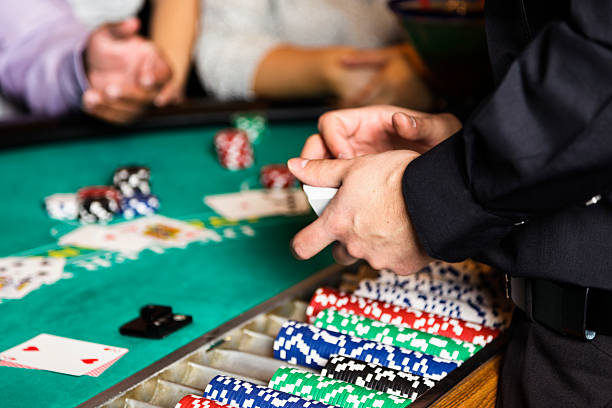
The psychology behind this allure lies in the concept of the “near-miss.” When players almost win—such as landing on a winning combination without actually hitting it—they experience a surge of motivation to continue playing. This phenomenon can lead to an increased tolerance for risk, as players become fixated on not just winning, but on recapturing that exhilarating feeling of near-success.
The Role of Cognitive Biases in Gambling
Cognitive biases play a significant role in shaping gamblers’ perceptions of risk in casinos. One prominent example is the illusion of control, where players believe they can influence the outcome of games primarily based on skill or strategy, despite these games being largely based on chance. This belief can lead to more aggressive betting behaviors, as gamblers feel empowered and confident in their abilities, even when faced with the randomness of the game.
Another relevant bias is the gambler’s fallacy, which suggests that past events can influence future outcomes in random scenarios. A player might think that after a series of losses, a win is “due,” prompting them to take greater risks. These cognitive distortions can cloud judgment and lead individuals to engage in riskier gambling behavior, often resulting in significant financial losses.
Emotional Influences on Risk-Taking
Emotions are integral to understanding the psychology of risk-taking in casinos. Many players experience a range of feelings from excitement to frustration, which can heavily influence their gambling decisions. For instance, excitement can fuel impulsive betting, while frustration may lead individuals to chase losses, further increasing their risk exposure. This emotional rollercoaster can create a cycle of behavior where the need to feel the high of winning propels individuals to engage in more risky bets.
Moreover, social influences also play a part; being surrounded by other players can amplify emotional responses and lead to riskier behaviors. The communal atmosphere in casinos can create a sense of shared excitement, encouraging players to take larger risks than they would if they were alone.
Understanding Reward Mechanisms in Gambling
The reward systems in casinos are integral to the psychology of risk-taking. Many gambling activities are designed to deliver immediate gratification, with players receiving instant feedback on their bets. This quick reinforcement can create a powerful incentive for continued gambling, as the neurochemical release of dopamine during wins makes players feel good and encourages them to keep gambling.
Additionally, casinos use various techniques to heighten the excitement surrounding potential rewards. Promotional offers, jackpots, and progressive payouts are strategically implemented to increase the perception of value and reward in the players’ minds. This creates a dynamic where the potential for a large win overshadows the risks involved, leading to an escalation in risk-taking behavior.

Exploring Responsible Gambling and Resources
While the allure of casinos can be captivating, it is crucial to approach gambling responsibly. Understanding the psychological triggers and recognizing personal risk thresholds can empower individuals to make informed decisions. Many casinos and online platforms provide resources for responsible gambling, including self-exclusion programs, betting limits, and access to support services for those who may struggle with gambling addiction.
Awareness of the psychological aspects of risk-taking can help players maintain a healthier relationship with gambling. By acknowledging the emotions and cognitive biases that influence their decisions, individuals can better navigate their experiences in casinos. Ultimately, the key to enjoying the thrill of gambling lies in balancing the excitement of risk with a mindful approach to personal limits and financial health.